
You’re in the shower. Water’s running. And somehow the toilet starts bubbling.
That gurgle means air is escaping through the wrong spot. Your drain pipes and toilet share a branch line together. A partial blockage forces displaced air back up the toilet trap instead of venting it out through the roof. Fix the blockage and the noise stops.
Sometimes the gurgle is a warning sign you should not ignore though.
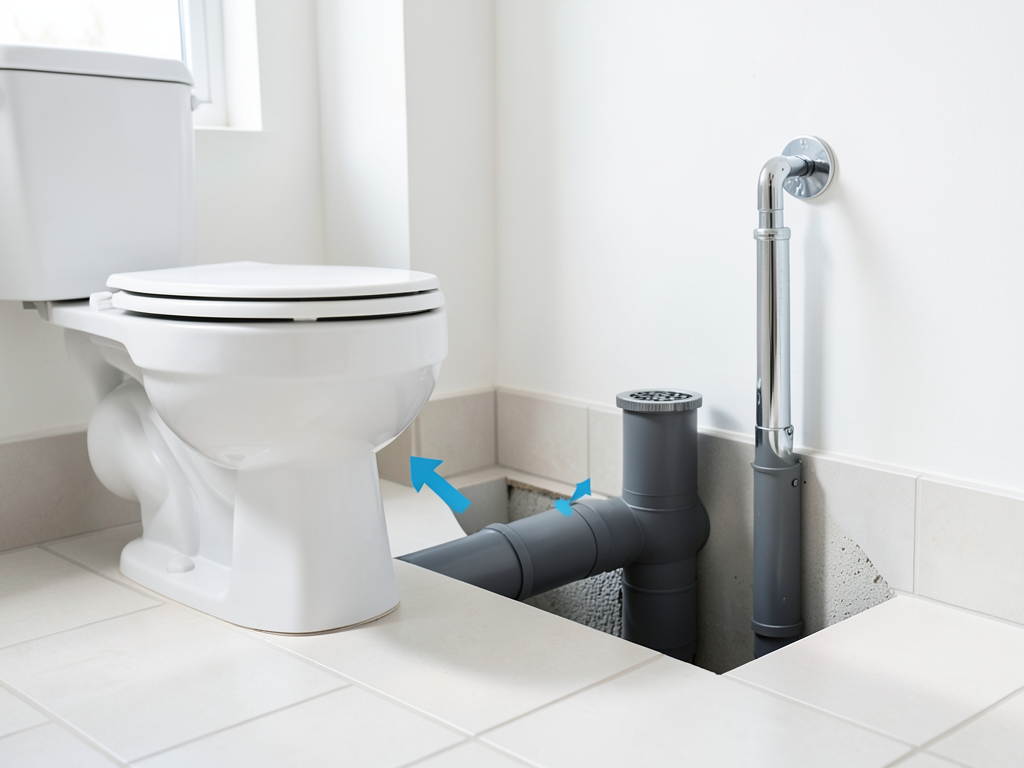
Why Does My Toilet Gurgle When Shower Drains?
Your whole bathroom runs on shared pipes. The toilet, shower, and sink all feed into one drain branch. One vent stack goes through the roof.
Water flows down. Air flows in through the vent. Equal pressure. Smooth draining.
When the toilet gurgles, pressure is not equal. Something restricts the flow. Air takes the easiest path out. That path is your toilet bowl.
Three things usually cause this.
A partial blockage in the main drain line is the most common culprit. Hair and soap scum narrow the pipe where the shower and toilet lines meet downstream. Water gets through but not fast enough to keep pressure stable. The displaced air pushes back toward the toilet.
Blocked ventilation is another thing. Leaves, moss, or ice in western Washington can plug your roof vent. Drain water creates suction when the vent is blocked. That suction pulls air through the toilet trap.
Or the P-trap or branch line itself is clogged. The shower trap catches hair over time. Buildup slows water flow and creates pressure fluctuations. The toilet feels that fluctuation as a gurgle.
Old houses near Capitol Hill or Ballard in Seattle often have cast-iron drain pipes that corrode inside and narrow over forty years. Newer homes near Kennewick usually just deal with hair buildup. Different starting point. Same result.
What You Need
- Flange plunger — the kind with the extra rubber ring. Flat cup plungers are for sinks, not toilets.
- A 25-foot handheld drain snake. Hardware stores stock these for thirty to forty dollars.
- Bucket and old towels
- Rubber gloves
- Adjustable wrench
- Enzymatic drain cleaner — not the caustic chemical kind
- Wet rag or duct tape
- Garden hose
- Ladder if you’re checking the roof vent
You probably won’t need everything on day one. Start simple. Most people solve this problem in twenty minutes with a plunger and a snake. The fancier tools matter only when the first fixes fail.
Step 1: Check the Toilet First
Easy step but people skip it. Don’t.
Flush the toilet and watch the water. A normal toilet drops back to resting level in fifteen seconds. If the water hesitates before dropping, or the water level sits higher than usual after flushing, you’ve got a partial clog right there.
A barely-clogged toilet will gurgle when anything nearby moves water through the shared drain. The toilet sits at the edge of backing up. A shower running nearby is enough to tip it over.
Put a flange plunger over the drain opening. Push down to seat the flange inside. Firm strokes, not fast ones. People pump too quickly and break their seal. Ten or fifteen strokes and you’ll feel the resistance drop as the clog breaks apart.
Flush again. Normal drainage means the toilet is clear. Gurgling continues when the shower runs means the problem lives somewhere else in the system.
Takes two minutes. Eliminates one possible cause. Quick and cheap.
Step 2: Snake the Shower Drain
Shower drains catch hair. Hair tangles with soap scum and forms thick mats inside the pipe. Hard water around eastern Washington makes the soap scum bond tighter. Over months the buildup fills maybe sixty percent of the pipe diameter.
Water still drains but not fast enough to keep pressure equal. That pressure swing is what makes the toilet bubble.
Take off the shower drain cover. Usually one or two screws, or it pops off with a flathead screwdriver. Feed the drain snake into the opening until you feel it hit the P-trap. Then rotate the handle gently while pushing forward. The snake needs to work around that U-shaped bend.
Feed another three to five feet once you clear the trap. Turn the handle clockwise so the coil hooks debris you can pull back out. You don’t need brute force here. You need patience.
You’ll pull out hair. Wipe the coil clean and go again. Two or three passes usually clears the branch line.
Run hot water to rinse. Drain should take the water without pooling. More than forty seconds for a basin to empty says there’s more buildup further down. Keep snaking.
Enzymatic drain maintainer used monthly keeps the pipe clear between deep cleans. It breaks down organic material chemical cleaners miss. Chemical drain openers solve the problem once and thin your pipe walls over the long term.
Step 3: Cross-Fixture Plunge
When the shower and toilet share a drain branch, plunging the toilet can push out a blockage sitting between the two fixtures. Seal the shower drain first. Without a seal, the pressure just blows back out through the shower.
Stuff a wet rag into the shower drain opening. Push it in tight. Duct tape over the rag gives you a better seal. Then plunge the toilet like you did in step one.
The sealed shower forces all that pressure through the shared pipe and out past the blockage. Two or three firm plunges usually dislodges whatever was stuck there.
Remove the rag and test both fixtures. About a third of toilet-gurgle cases end here. Worth three minutes before spending money on anything.
Step 4: Roof Vent Check
First three steps didn’t work? Check the vent on your roof.
Roof vents block up more than people expect in this region. Douglas fir needles collect in the pipe opening. Birds build nests during spring. Winter rain freezes around the accumulated debris and forms an ice cap at top of the pipe. Airflow stops completely.
Get on a ladder and find the vent pipe. It’s a one to two-inch pipe sticking through your roof near the bathroom area. Most houses have one per bathroom. Shine a flashlight down into it.
Pull out any leaves or debris you can reach. A garden hose at moderate pressure flushes material further down. Don’t go to full blast. Older vent pipes crack under high pressure. Run the hose for thirty seconds and listen for water flowing freely through the pipe. Water backing up means the blockage sits deeper than you can reach from the roof.
A blocked vent shows up in other ways too. Bathroom sink draining slow? Sink gurgling when you flush the toilet? Multiple symptoms, single cause. Classic vent problem.
Skip the roof work if heights make you nervous. Plumbers do this every day with proper safety gear. A vent clearing service call runs around two hundred bucks. A fall off a ladder costs a hospital visit.
Step 5: Main Drain Line
Everything checks out and the toilet still gurgles? Blockage sits in the main line. Past where the shower and toilet branches join together.
A partial clog in the main line affects all fixtures downstream. Water from the shower slows at the blockage. Compressed air escapes wherever it can. Usually the toilet trap. You might also notice slow sinks, a toilet filling higher than normal, or occasional sewage odors near basement or garage floor drains.
A 25-foot snake falls short once you’re past the branch lines. You need fifty feet or more to reach the main line blockage beyond the foundation wall.
If your house has a cleanout plug near the foundation wall or in the basement, try snaking from there. Twist the cap off with an adjustable wrench and keep a bucket close for spillage. Feed the snake toward the street side if you suspect the blockage sits between the house and sewer connection. Feed toward the house if the problem might be inside.
Tree roots cause most main-line blockages in older neighborhoods across Tacoma, Vancouver, and Bellingham. Homes built between the fifties and seventies usually have clay or Orangeburg pipe that cracks at the joints. Roots slip through those cracks. Once inside, they trap every bit of debris flowing past. The problem compounds over months.
Living in a house from that era with a main line nobody has ever scoped? Roots are probably the answer.
When to Call a Pro
You can fix plenty yourself. Some things get expensive when you guess wrong.
Water backing up in multiple fixtures means the main line is fully blocked. Plunger and handheld snake won’t reach it.
You cleared everything within reach and it still gurgles. You need equipment most homeowners don’t own and a camera to see what’s happening underground.
Cast-iron or clay pipes installed before 1980 get brittle. Aggressive snaking can crack those pipes and you’re looking at trenchless pipe replacement. A plumber with a camera inspects first. You don’t risk cracking old pipe on a blind guess.
Sewage smell in the house points to a cracked pipe, failed wax ring, or compromised vent. Sewer gas in living spaces is a health risk. Not a Saturday project.
You’re not getting on the roof. Perfectly reasonable. Plumbers harness up and have proper safety training. Most homeowners have a ladder from 1998 and a prayer.
Drain camera inspection runs one-fifty to three hundred dollars in Washington. The plumber slides the camera through and shows you the footage. Roots or collapsed pipe means five hundred to two thousand more for repair. Still cheaper than cracking the main line yourself because you guessed wrong.
Keep It From Coming Back
Strainers in every shower drain. Five bucks. Hair caught before it enters the pipe. Clean them once a week. Takes thirty seconds.
Skip the coffee grounds and grease down drains. They solidify. Flushable wipes don’t dissolve. They catch on rough pipe interiors and build up into bigger blockages later.
Get main line professionally snaked every two years or so if you have old pipes or large trees near the sewer route. Preventive maintenance costs less than any single emergency call-out.
Fall brings leaf drop in Washington. Check your roof vent from the ladder after leaves fall whole. Takes two minutes. Saves a January blockage when ice locks debris in place for good.
On a septic system? Common in Whatcom, Skagit, and Thurston counties. Pump the tank on schedule. An overfull tank causes pressure swings inside the house that look exactly like drain blockages. Everything gurgles. Everything drains slow. Problem isn’t your pipes. Problem is the full tank.
Quick Checklist
- Toilet drains slow? Plunge it.
- Toilet fine, shower slow? Snake the shower drain.
- Both fine, still gurgling? Seal the shower drain and cross-plunge.
- Multiple fixtures slow? Roof vent.
- Nothing works? Main line. Call a plumber with a camera.
Most of the time the gurgle gets fixed in step one or two. Buy the snake anyway. You’ll use it again eventually.
Gurgling toilet won’t quit after these steps? A licensed Washington plumber can run a camera inspection and show you exactly where the blockage hides. Pay a couple hundred for a diagnosis now. Save thousands on a cracked pipe later.